
Experts call it “popcorn brain”
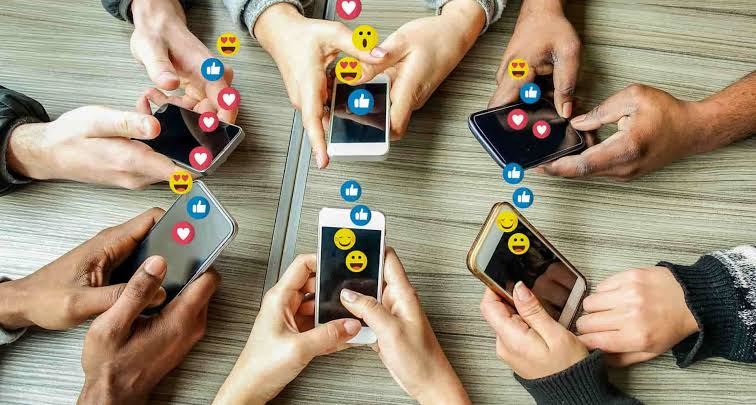
So what is “Popcorn brain”?
Do you have difficulty concentrating while doing a task? Are you overwhelmed by the feeds of social media platforms? Now experts even give it a name: Popcorn brain…
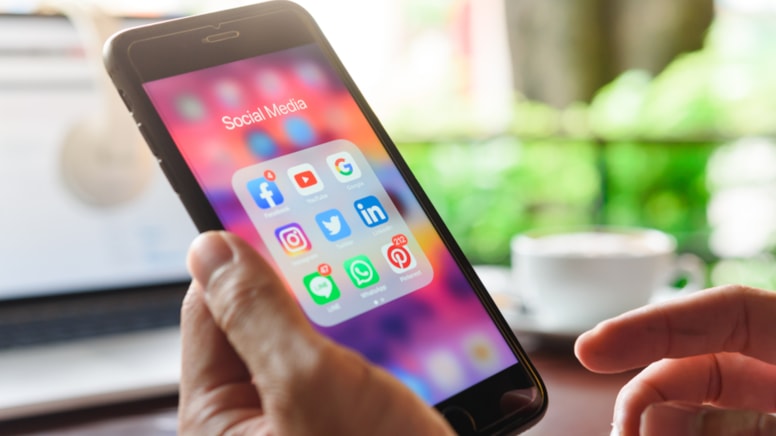
As technology developed and the use of social media platforms spread, it became inevitable not to see their effects. Difficulty concentrating while doing a task, not being able to put down the phone, not being able to stop scrolling the screen, sometimes getting overwhelmed by the posts…
All of this may actually point to a new ailment of our age: popcorn brain.
Actually, this term is not very new; It was first invented by University of Washington Researcher David Levy in 2011.
But as our lives become more digital, this disease has become more common. Now mental health experts are also sharing new ways to combat this phenomenon.

Clinical psychologist Dr. Daniel Glazer defines the problem this way: “Popcorn brain refers to the tendency of our attention and focus to quickly jump from one thing to another, like popping popcorn.”
The effects of the syndrome are frequently revealed by research. For example, one study showed that 62.3 percent of the world’s population uses social media, and average daily usage lasted 2 hours and 23 minutes last month.

INCREASES THE FEELING OF ANXIETY AND EXHAUST
Psychologist Dannielle Haig also explained why the syndrome occurs. Haig; scrolling through new posts, alerts, interactions and ads triggers a small dopamine release that rewards the brain and fuels the cycle, he said. “Over time, this constant demand for attention and rapid switching between tasks can lead to feelings of mental restlessness, or the brain having trouble maintaining focus on any one task for long periods of time,” Haig explained.
Another study by the University of California at Irvine also highlighted the syndrome’s impact on users over the years. According to the research; The average attention span on any screen before moving on to something else dropped from 2.5 minutes in 2004 to 75 seconds in 2012 and 47 seconds today.

Research shows that constant digital stimulation affects brain performance. And it suggests that neural pathways in the brain are constantly redirected to meet multitasking, rapid information processing demands.
Haig states that due to this situation, problems may occur such as difficulty in interacting with the content in a deep and thoughtful way, potentially negatively affecting learning.
Also Haig; It also warns that popcorn brain can negatively impact social interactions, patience, emotional well-being and productivity, and increase anxiety and feelings of burnout.

So what can be done to prevent popcorn brain syndrome? Haig and Glazer offer a few suggestions:
– Limit technology use to certain times and do a digital detox to allow the brain to rest and recharge.
– Engage in screen-free activities such as meditating, enjoying nature, exercising, reading and art.
– Make sure you focus on a single task to train your brain not to constantly multitask.
– Periodically delete apps to try to regain control over social media use.
