Social media interactions: Opportunities and risks
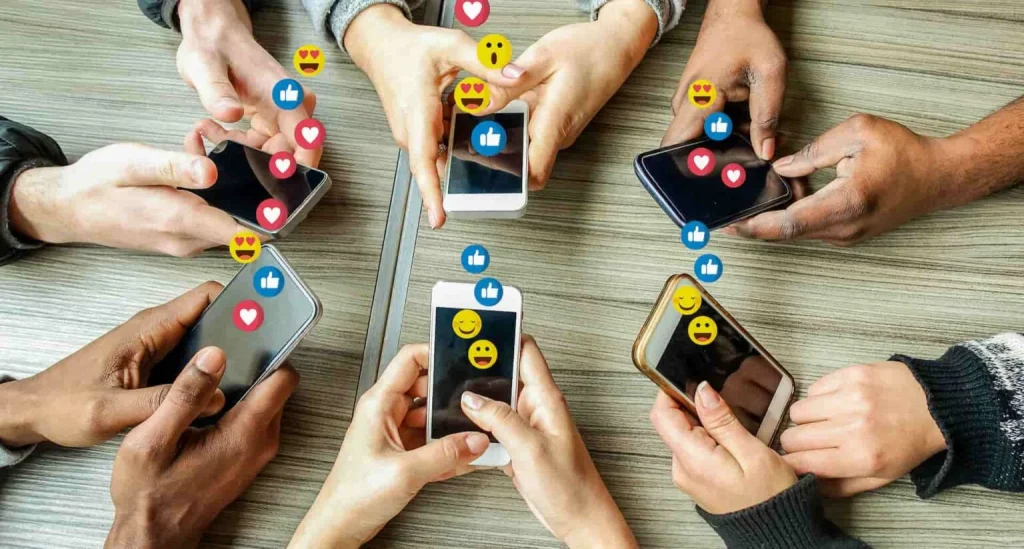
Social media has become an integral part of our lives today. Social media, which we use for news, communication, entertainment and many other areas, is also an important interaction platform.
Social media interactions are a powerful tool for people to connect with each other, exchange ideas and information, and build communities. However, social media interactions also carry some risks.
Positive aspects of social media interactions include:
- Communication: Social media helps bring people from different geographies together and enable them to communicate. This is an important advantage, especially for people living long distances.
- Communities: Social media allows people to create communities with people who share common interests. This helps people connect with like-minded individuals and learn from each other.
- Exchange of ideas and information: Social media helps people exchange ideas and information and learn from each other. This can help people better understand the world and improve themselves.
Negative aspects of social media interactions include:
- Disinformation and manipulation: Social media can facilitate the spread of disinformation and manipulation. This can cause people to be exposed to misinformation and make wrong decisions.
- Addiction: Social media can create addiction and cause people to drift away from real life. This is a significant risk, especially for teenagers and children.
- Violation of personal privacy: Social media can lead to violation of personal privacy. This could result in people’s sensitive information becoming accessible to others.
The ethical responsibilities of social media platforms include:
- Ensuring the safety of users: Social media platforms must take necessary measures to ensure the safety of their users. This includes protecting users from disinformation and manipulation and protecting their personal privacy.
- Prevent disinformation and manipulation: Social media platforms must take necessary measures to prevent disinformation and manipulation. This includes detecting and removing fake news and misinformation and preventing users from being exposed to this information.
- Protecting personal privacy: Social media platforms should take necessary measures to protect users’ personal privacy. This includes protecting users’ sensitive information and making it easier for users to control whether they share their personal information.
To combat disinformation and manipulation:
- Social media users should be skeptical of the information they see on social media. Instead of accepting every information on social media as true, it is important to check its source and reliability.
- Social media users should get information from reliable sources. It is useful to get news and other information from reliable news sites, public institutions and universities.
- Social media users should improve their critical thinking skills. It is important to develop critical thinking skills to evaluate information and determine whether it is accurate.
As a result, social media interactions have an important place today. In order to make the most of these interactions and be protected from their negative effects, social media platforms must fulfill their ethical responsibilities and social media users must be conscious.
Social media platforms must take necessary precautions to protect the security and privacy of their users. It should detect and remove fake news and misinformation, protect users’ personal information, and make it easier for users to control whether they share their personal information.
Social media users should be skeptical of the information they see on social media and obtain information from reliable sources. They should also be able to determine whether information is accurate or not by developing their critical thinking skills.
By using social media interactions consciously, we can make the most of these interactions and protect ourselves from their negative effects.
